42 in an activity diagram, a separate use case may used as part of the workflow.
Use case diagram is a behavioral UML diagram type and frequently used to analyze various systems. They enable you to visualize the different types of roles in a system and how those roles interact with the system. This use case diagram tutorial will cover the following topics and help you create use cases better. Importance of use case diagrams. In an activity diagram, a separate use case may used as part of the workflow True An oval indicates an embedded use case inside of an activity diagram True Synchronization bars are used to indicate looping in an activity diagram True
In an activity diagram, a separate use case may used as part of the workflow. False Activity diagrams are not helpful when the flow of activities is too complex True In the object-oriented approach to systems development, the flow of information is achieved by sending messages either to and from actors or back and forth between internal objects.

In an activity diagram, a separate use case may used as part of the workflow.
In an activity diagram, a separate use case may used as part of the workflow. True Which of the following is the best model to use to document the inputs and the outputs to a system? use case diagram and the problem domain class diagram d. use case description and the use case diagram a. system sequence diagram and the activity diagram Question 14 10 out of 10 points In an activity diagram, a separate use case may used as part of the workflow. process. In use case diagram, a use case presents a goal user wants to achieve by using the system. Keep in mind that an activity need not to be relevant to any system function, and one use case may satisfy multiple activities. Some people may think that a use case diagram is similar to a BPD but quite different in notations and purposes.
In an activity diagram, a separate use case may used as part of the workflow.. Use Cases and UML diagrams. Use cases were first introduced by Ivar Jacobson before becoming part of standard UML. Their aim is to describe how systems under consideration are expected to support the execution of specific business scenarii. Due to their simplicity and versatility, use cases are widely used to express system requirements. Based on the detailed description of use cases, activity and/or sequence diagrams might be created in order to show how the control flows when a use case is executed. However, it is uncommon to provide such interaction diagrams for each use case: some of the use cases can be so simple that it does not need further elaboration. Systems design consists of activities to describe the solution to the ... In an activity diagram, a separate use case may used as part of the workflow. A use case diagram describes how an entity may use the system under development. To this end, a use case diagram contains actors and use cases. An actor is an entity that may interact with the s...
In an activity diagram, a separate use case may used as part of the workflow true Since an activity diagram is not object-oriented (e.g. no objects), it is not a standard model of the object-oriented Unified Modeling Language (UML) false An actor is always outside of the automation boundary true In using the CRUD technique, new use cases and new stakeholders may be ... Which of the following is NOT a valid construct as part of an activity diagram? The message has no return value Unrestricted Correct The message is not sent The from ISEM 530 at Harrisburg University Of Science And Technology Hi A synchronization bar in an activity diagram allows multiple agents or actors to participate in a workflow in separate rows. ... In an activity diagram, a separate use case may used as part of the workflow. asked Aug 11, 2017 in Business by H2Oq1. ... The second step in the workflow of an EHR is that the patient checks in using a self-service ...
A use-case describes a sequence of actions, performed by a system that provides value to an actor. The use-case describes the system's behavior under various conditions as it responds to a request from one of the stakeholders, called the primary actor. The actor is the Who of the system, in other words he the end user. A use case description provides the documentation for the processing steps that are internal to a use case. There may be several descriptions, each one describing a different scenario. Depending on an analyst’s needs, use case descriptions tend to be written at two separate levels of detail: brief description and fully developed description. As shown later in the chapter, an … use case diagram and the problem domain class diagram d. use case description and the use case diagram Question 14 10 out of 10 points In an activity diagram, a separate use case may used as part of the workflow. Selected Answer: True Answers: True Fals e Question 15 0 out of 10 points A good way to describe a use case scenario is with a state ... Next, if you have different ways of accepting payment, you might want to have each as a separate use case that inherits the "Pay" use case. Finally, to fully explain the behavior of a use case, use an activity diagram, one per use case. You can go into whatever detail you want there.
What is Activity Diagram?
Hey, check out this amazing 'Unified modeling language' quiz that is designed to test your understanding of this subject. Unified modeling language (also termed as 'UML') is a general-purpose modeling language that has proven to be a beneficial tool for software developers over the years. Take the quiz below and see how well you can score. Remember that if you score below 70%, it means that ...
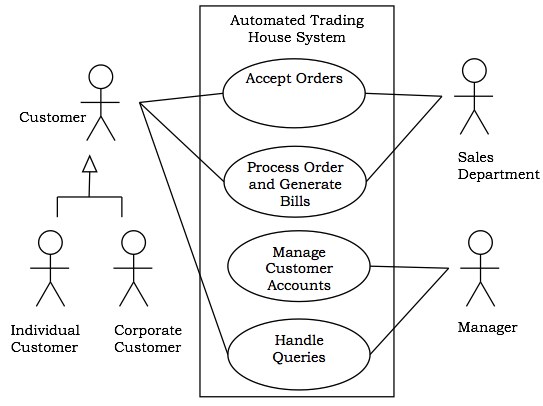
OOAD - UML Behavioural Diagrams
A flowchart is a picture of the separate steps of a process in sequential order. It is a generic tool that can be adapted for a wide variety of purposes, and can be used to describe various processes, such as a manufacturing process, an administrative or service process, or a project plan. It's a common process analysis tool and one of the ...

UML 2 Activity Diagrams: An Agile Introduction
Note that use cases can only be used to show what the user wants to do instead of what the developer needs to develop, although they may be the same in some cases. If you want to document or model the functions involved in a use case, you may use the flow of events tool, or to elaborate a use case with sequence diagram/activity diagram .
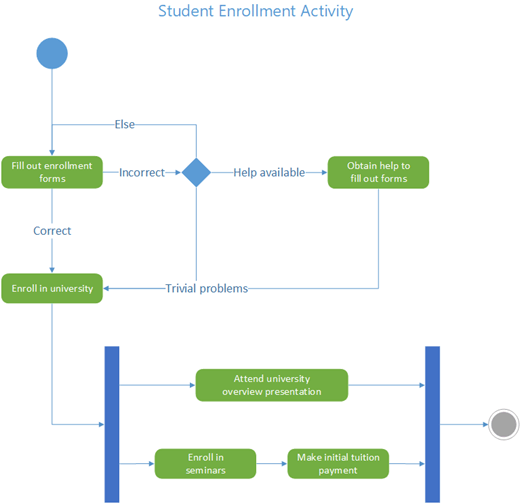
Create a UML activity diagram
In an activity diagram, a separate use case may used as part of the workflow. A) True B) False. True.

What is Activity Diagram?
True or False: In an activity diagram, a separate use case may used as part of the workflow. True A textual model that describes the processing details of a use case is called a(n) ________.

UML, use cases, activity diagram, etc. Diagram | Quizlet
To simplify the workflow graph, you may instead choose to put the subgraph in a separate diagram and let the activity state that the subgraph details refer to that diagram. Using Swimlanes. An activity diagram may be partitioned into swimlanes using solid vertical lines. Each swimlane represents a responsibility for part of the overall workflow, carried by a part of the organization.

Activity Diagram - an overview | ScienceDirect Topics
The third set comes under the behavior category and models the interaction within and outside the system. All these three types put together make 13 types of UML diagrams. The three categories of diagrams help us model different aspects of the system. Structural diagrams help us see the static view of the system in terms of its components.
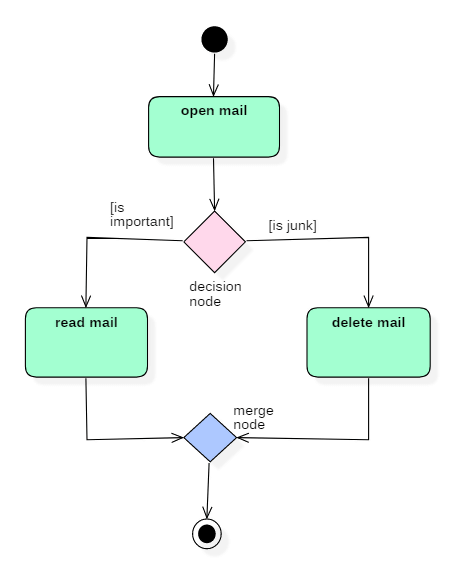
Activity Diagram in UML: Symbol, Components & Example
a) Produce a system use case description for the normal scenario of the use case 'Offer a book for sale' which can be used by a potential seller. 10 marks b) Explain what an alternative scenario is, and why it may occur. 5 marks c) Write the alternative scenarios for the use case description in part a. 10 marks Answer Pointers/Model answer
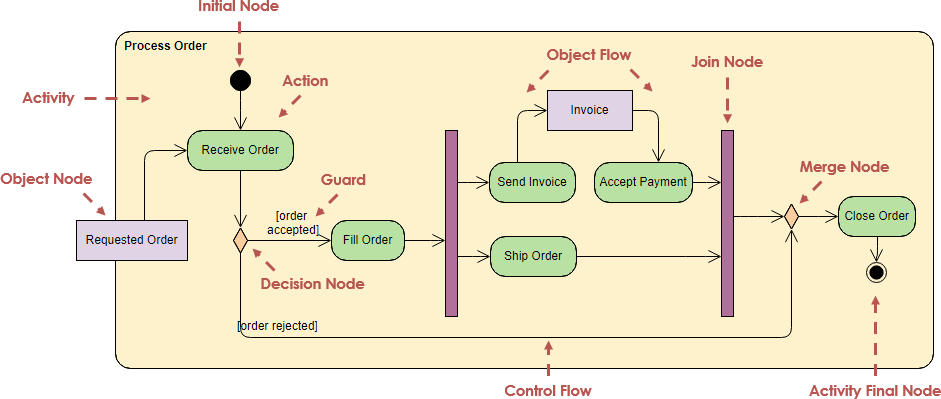
Activity Diagram Tutorial
13 An Opt frame and a truefalse condition on a message serve essentially the from ITEC 3040 at York University

What is the Difference Between Activity Diagram and Flowchart ...
In an activity diagram, a separate use case may used as part of the workflow. true Activity diagrams are not helpful in developing system sequence diagrams (SSDs).

5 Activity Diagram
Selected Answer: b. Relationship line Answers: a. Use case oval b. Relationship line c. Activity oval d. Actor name Question 15 0 out of 10 points In an activity diagram, a separate use case may used as part of the workflow. Selected Answer: Fals e Answers: True Fals e. Selected Answer: b. use case description and the use case diagram Answers ...
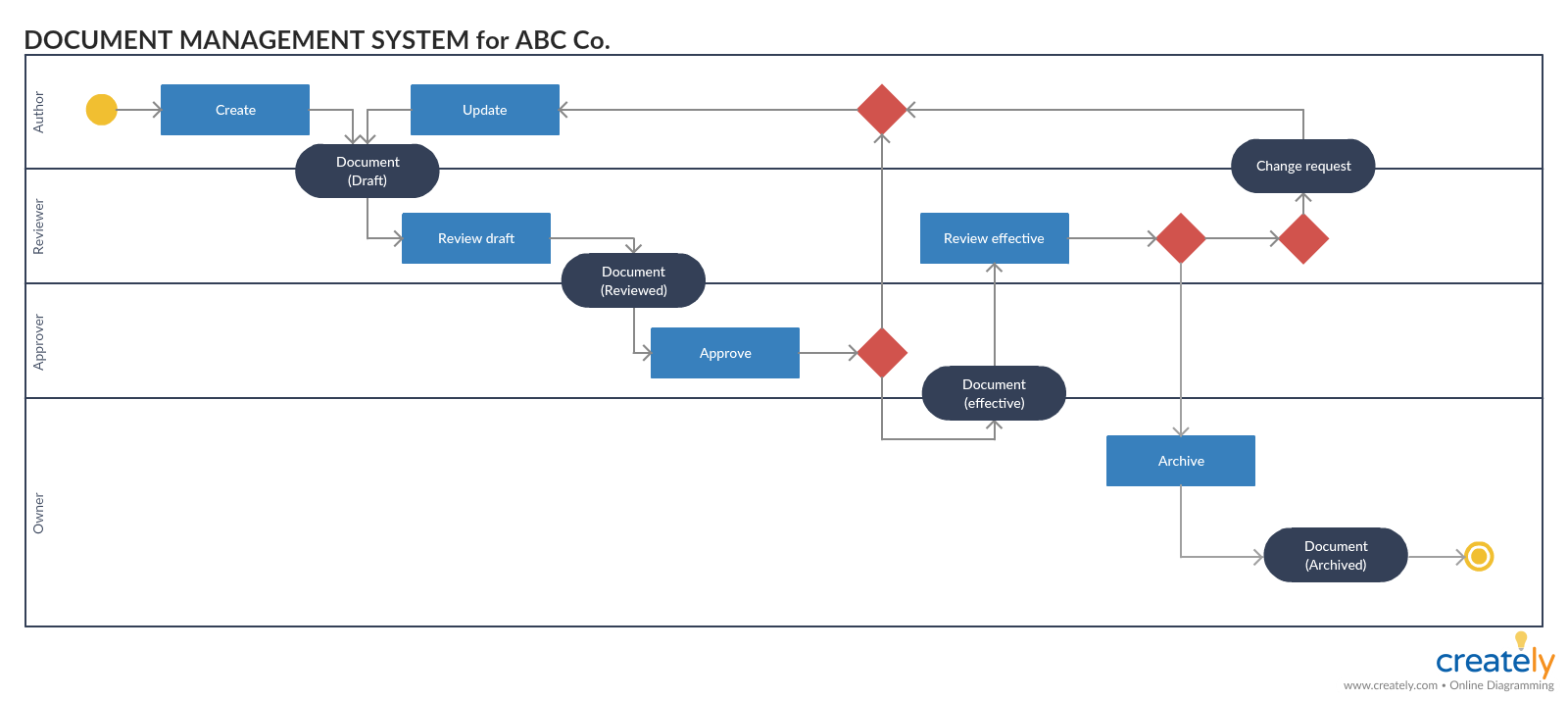
Activity Diagram Tutorial | How to Draw an Activity Diagram
Activity diagrams are used to model, Use cases Classes Interfaces Components Collaborations Activity diagrams are used to model processes and workflows. The essence of a useful activity diagram is focused on communicating a specific aspect of a system’s dynamic behavior. Activity diagrams capture the dynamic elements of a system.

UML Use Case Diagram: Tutorial with EXAMPLE
An abstract use case is intended to be used by other use cases, e.g., as a target of generalization relationship. I hope that "the name of an abstract use case may be shown in italics" is still applicable in UML 2.4, as it was specified in UML 1.x. Web User Authentication use case is abstract use case.
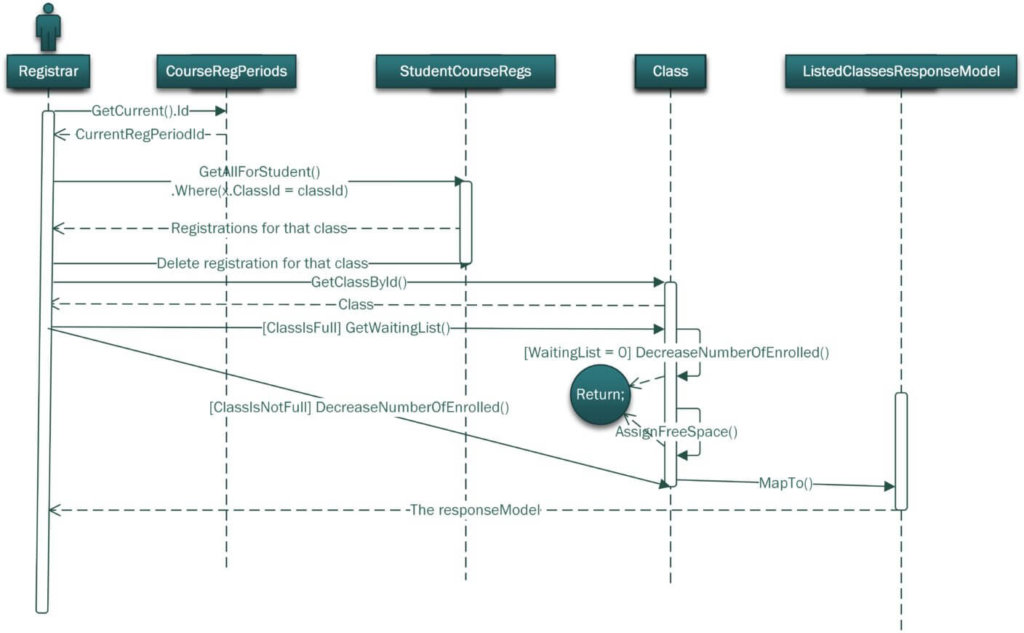
All You Need to Know About UML Diagrams: Types and 5+ Examples
He may do this from information and even without talking to the users ... In an activity diagram, a separate use case may used as part of the workflow..

Difference Between Use Case Diagram and Activity Diagram ...
Use Case Scenario - 1. Use case diagrams are drawn to be independent of any user interface design that may be used in the final system. A use case summarizes several scenarios for a user task or goal. Each scenario is described using text descriptions called use case specifications.

Activity diagram of a Facebook workflow | Download Scientific ...
In constructing Activity Diagrams, it is helpful to use colored icons (and UML stereotypes) to indicate specific activities and visually differentiate various steps in a flow. This is particularly important for Off-Page icons (pointers to additional diagrams) that link to separate use-case scenarios. 6. Action. is the primary diagram element. This
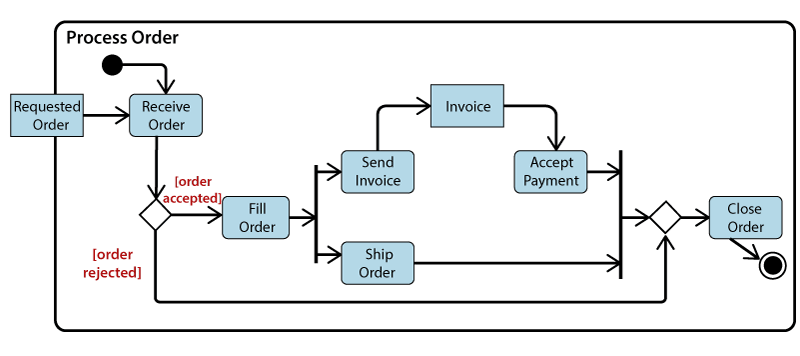
UML Activity Diagram - Javatpoint
In an activity diagram, a separate use case may used as part of the workflow. a. True b. False. 19. True.

Activity Diagrams | SpringerLink
Included use case is some common part extracted to a separate use case. It is also seems inapplicable to require to yield an observable result. It is also doubtful that use case functionality is always useful: "Each UseCase specifies a unit of useful functionality that the subject provides to its users.

Activity Diagram - an overview | ScienceDirect Topics
An activity diagram is used to model the workflow depicting conditions, constraints, sequential and concurrent activities. On the other hand, the purpose of a Use Case is to just depict the functionality i.e. what the system does and not how it is done.
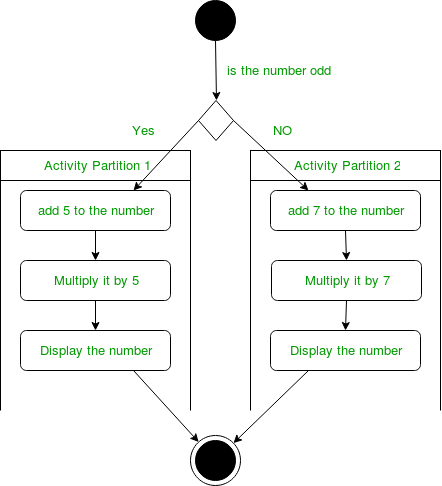
Unified Modeling Language (UML) | Activity Diagrams ...
process. In use case diagram, a use case presents a goal user wants to achieve by using the system. Keep in mind that an activity need not to be relevant to any system function, and one use case may satisfy multiple activities. Some people may think that a use case diagram is similar to a BPD but quite different in notations and purposes.
a) Use Case Diagram of the Annotation System; (b) Activity ...
use case diagram and the problem domain class diagram d. use case description and the use case diagram a. system sequence diagram and the activity diagram Question 14 10 out of 10 points In an activity diagram, a separate use case may used as part of the workflow.

Guidelines: Activity Diagram in the Business Use-Case Model
In an activity diagram, a separate use case may used as part of the workflow. True Which of the following is the best model to use to document the inputs and the outputs to a system?

UML Activity Diagrams In UML an activity diagram is used to ...
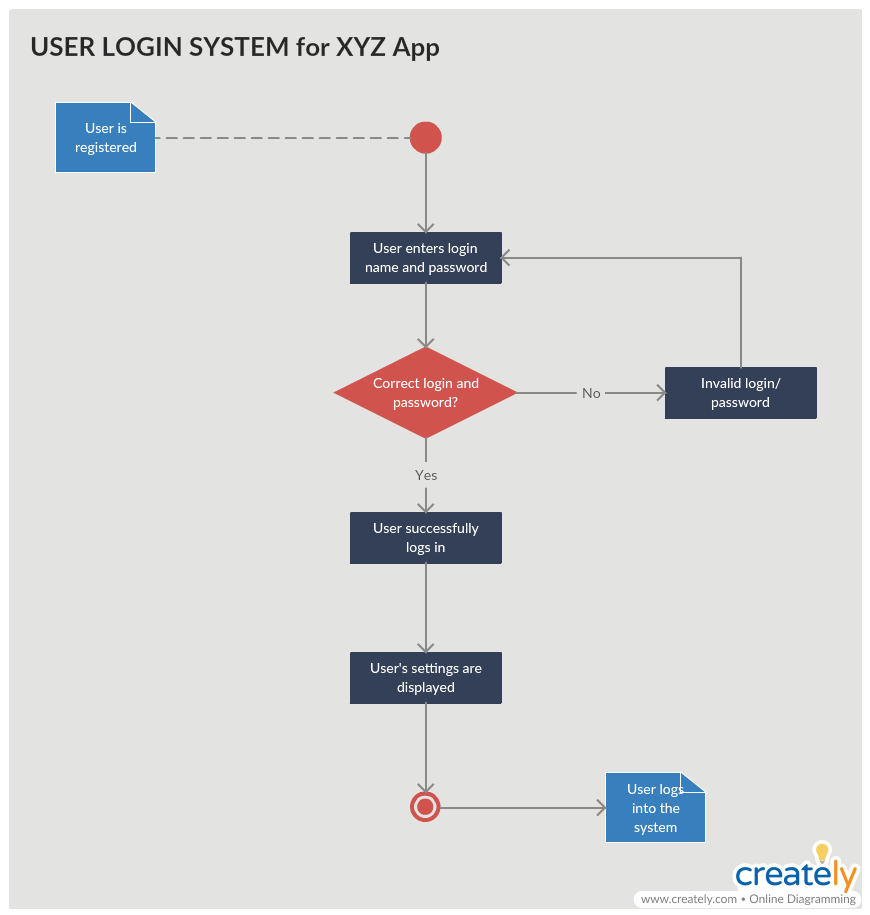
Activity Diagram Tutorial | How to Draw an Activity Diagram

An Introduction to Activity Diagrams > Business Analyst ...

Use case diagram - Wikipedia

Activity Diagram - UML 2 Tutorial | Sparx Systems
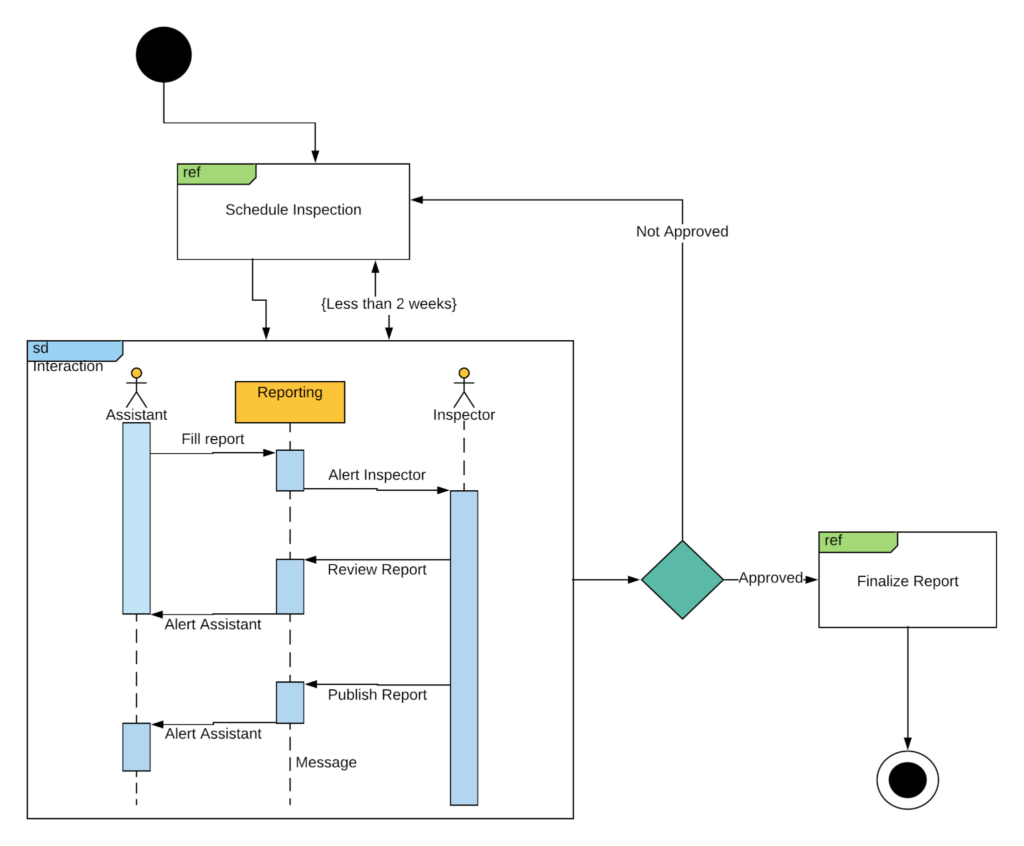
All You Need to Know About UML Diagrams: Types and 5+ Examples

Guidelines: Activity Diagram in the Business Use-Case Model

Anatomy of the Use Case

Case Description - an overview | ScienceDirect Topics
What is the difference between a UML use case diagram and an ...

Activity Diagram - Activity Diagram Symbols, Examples, and More
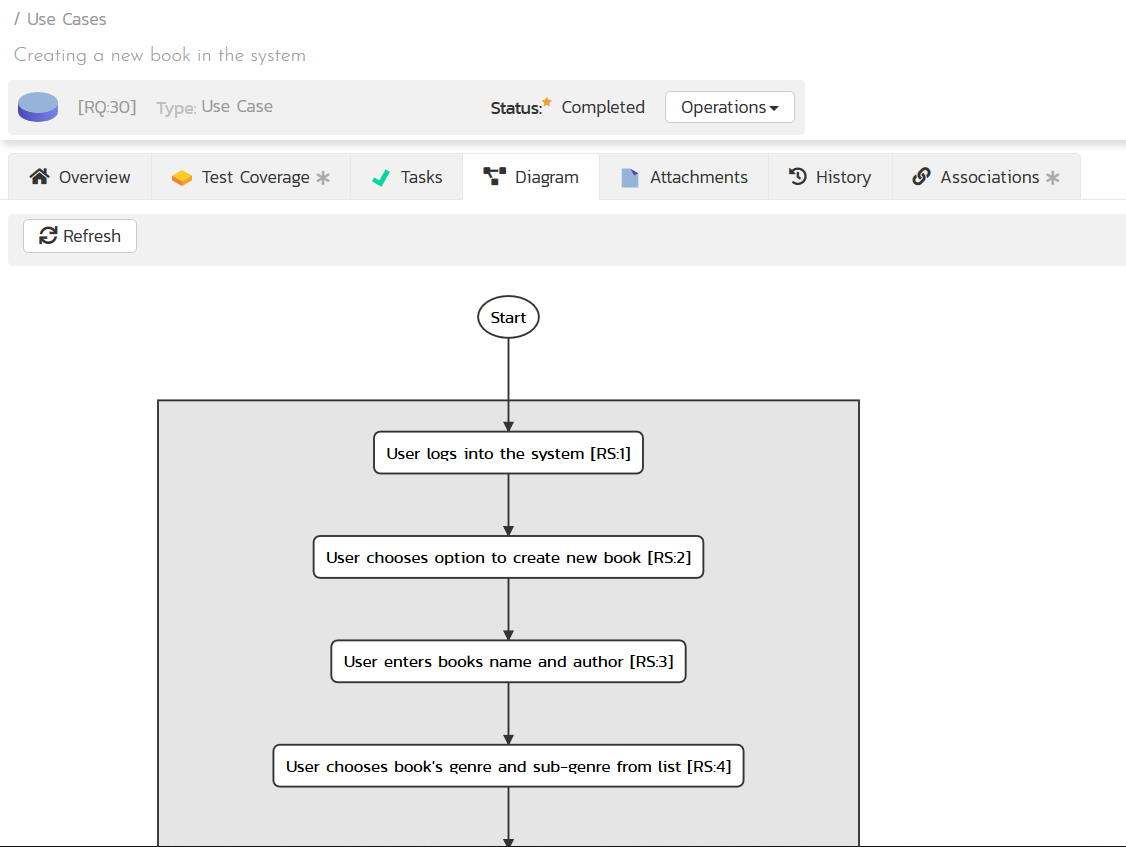
Use Cases and Scenarios
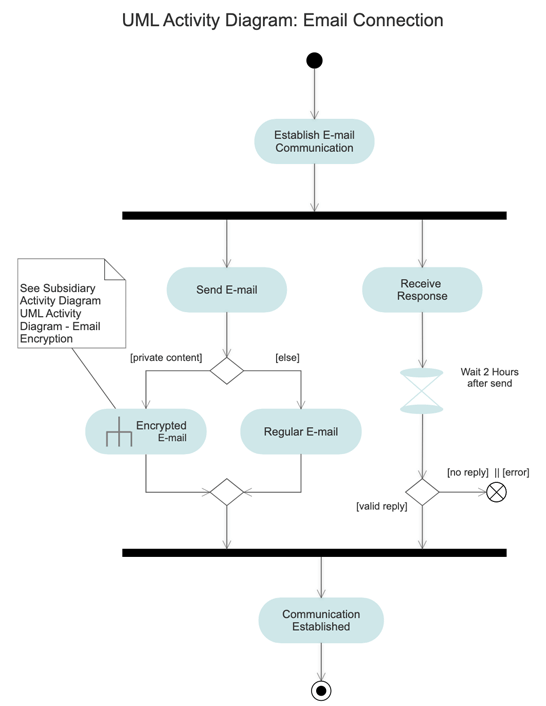
UML Diagram - Everything You Need to Know About UML Diagrams

Use cases or business process maps, what technique to use?
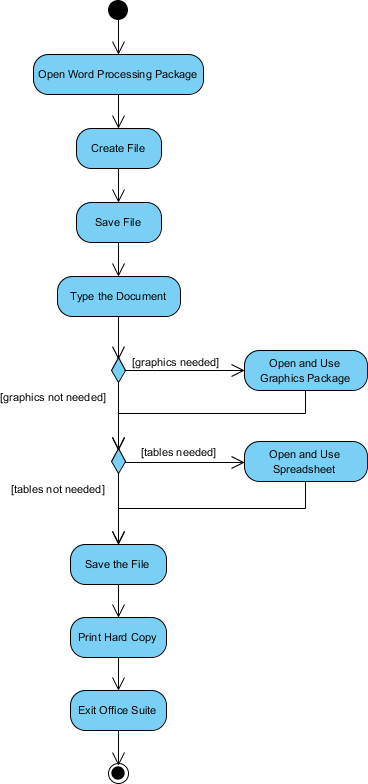
What is Activity Diagram?
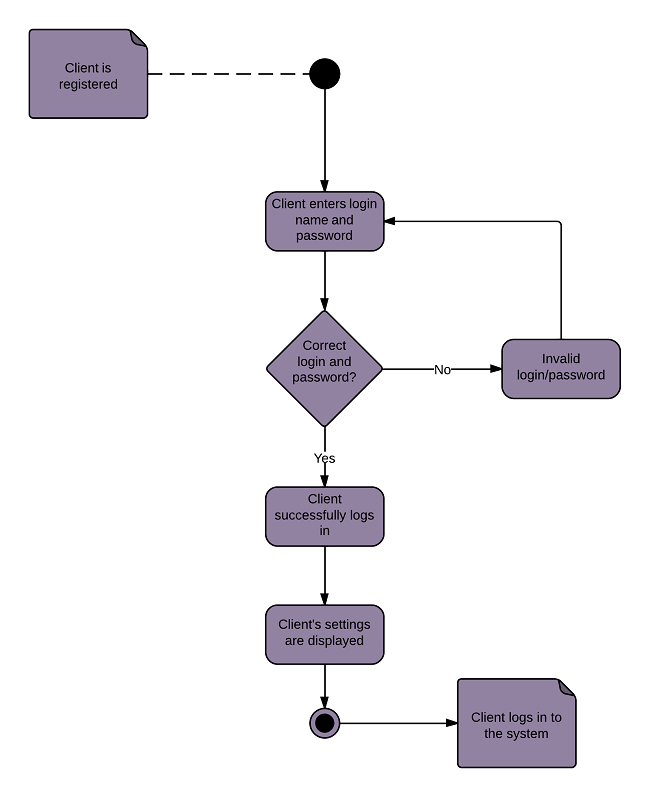
UML Activity Diagram Tutorial | Lucidchart

How to Find Use Cases from Business Process (BPMN)?
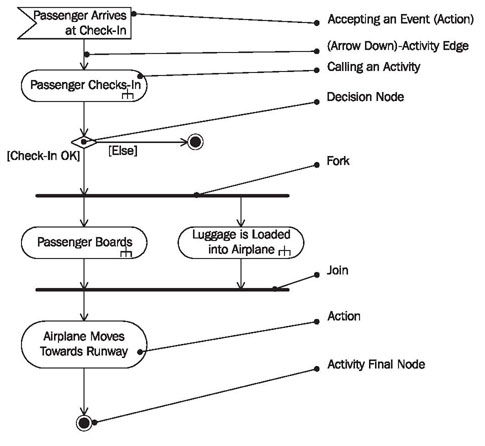
Activity Diagrams
5 Requirements Workflow: Use Case Analysis

UML Activity Diagrams In UML an activity diagram is used to display the sequence of actions They show the workflow from start to finish Detail the many.


Comments
Post a Comment