41 fungi structure diagram
Mushroom Structure: Teacher's notes After learning about fungi in lessons; this exercise is a fun way for pupils to get their hands on real mushrooms and have a proper look at them. Most of these categories contain ectomycorrhizal fungi. Hover mouse over diagram to see which categories contain ectomycorrhizal fungi (ECMF) Structural Diversity of Larger Fungi with ECM associations Many ECM fungi have mushroom-like fruit bodies with gills, tubes, teeth, etc. arising from soil, but there are also many... Index Introduction Types of Fungi List of Fungi Examples of Fungi Ectomycorrhizal Morphotypes Version 2 © Mark...
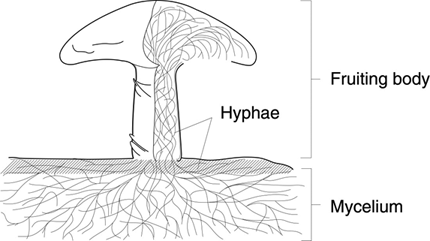
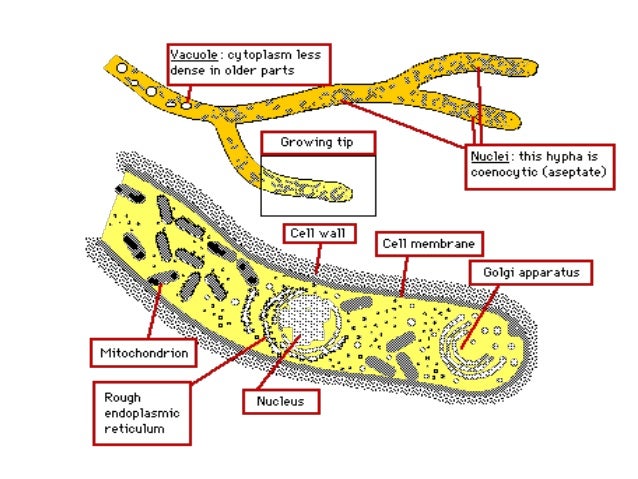
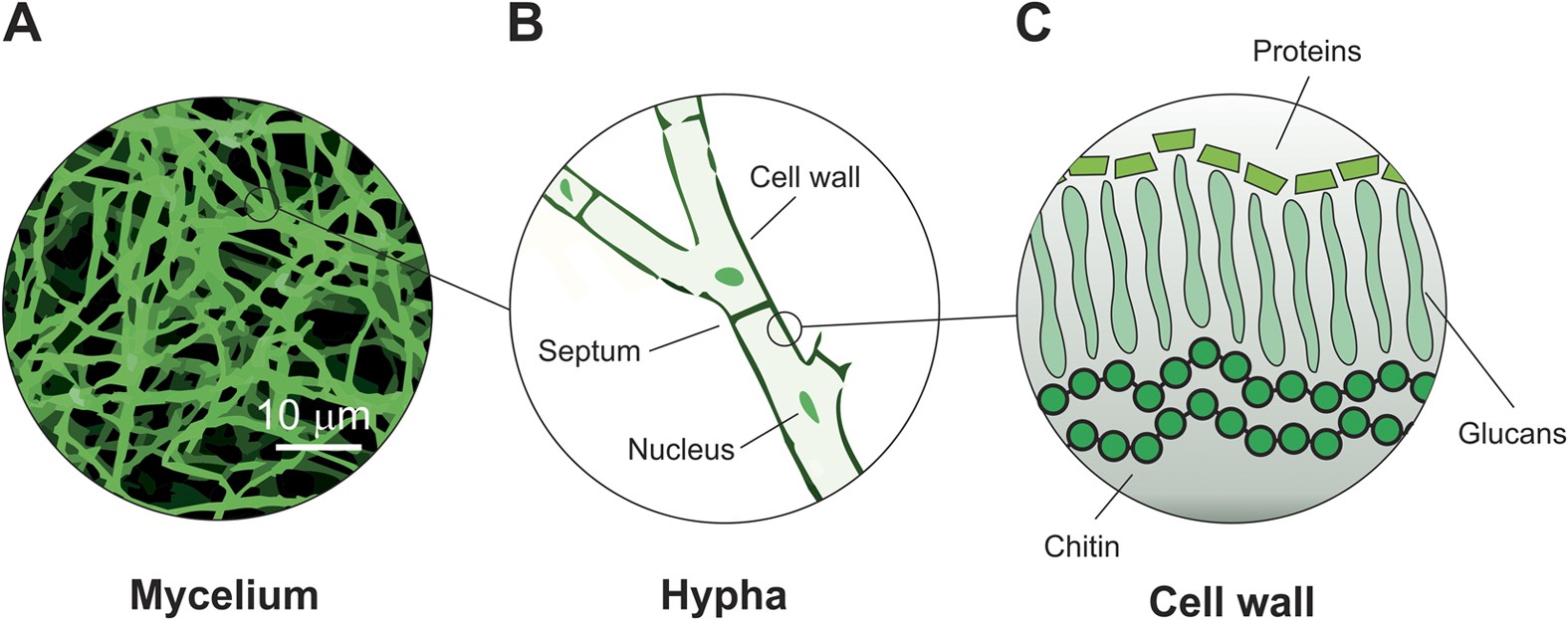
Fungi consist of long thread-like structures known as hyphae. These hyphae together form a mesh-like structure called mycelium. Fungi possess a cell wall which is made up of chitin and polysaccharides. The cell wall comprises protoplast which is differentiated into other cell parts such as cell membrane, cytoplasm, cell organelles and nuclei.

Fungi structure diagram
special structure in the beetle's mouthparts, and feed on the living tissue (phloem) of the tree. After the beetle introduces the fungi to the tree, mycelia grow rapidly into the sapwood, slowing the movement of fluids... Diagram of a tree wedge showing the dead outer bark, the live inner bark (or phloem), the live wood (or... mycorrhizal fungi are the main nitrogen providers under the nitrogen-limited conditions in arctic tundra. Compared to the low plant diversity in arctic and alpine communities, the richness and heterogeneity of root-associated fungal communities is high []. Many factors and complex interactions influence the structure and... Macroscopic fungi such as morels, mushrooms, puffballs, and the cultivated agarics available in grocery stores represent only a small fraction of the diversity in the kingdom Fungi. The molds, for example, are a large group of microscopic fungi that include many of the economically important plant parasites, allergenic species, and opportunistic pathogens of humans and other animals.
Fungi structure diagram. Not all fungi imitate similarly. Almost all the fungi have a filamentous structure except the yeast cells. Biology 1 Alex Flashcards Fungi Studyblue Biology Notes Fungi Biology Most fungi are microscopic, but many produce the visible fruitbodies we call mushrooms. Fungi life cycle diagram. The class contains about 25,000 species. Life cycle of a 'typical' […] pathways in your brain to alleviate depression, anxiety and addiction, and inspire creativity and new ways to solve problems; to: 2) a section on the environment and how fungi could save our planet by both decomposing toxic waste and composing organic materials to replace leather and wood, in addition to possibly saving our b Illustration about Typical fungi cell. Fungal Hyphae. Structure fungi. Diagram illustrating the ultrastructure of a septate hypha. Illustration of herbs, fungal, edible - 49947916 Hyphae are comprised of hypha, which are the long filamentous branches found in fungi and actinobacteria (shown below). Hyphae are important structures required for growth in these species, and tog...
The septa, or crosswalls, between each filament are riddled with pores, allowing the flow and transport of nutrients throughout the fungus. Although the majority of fungi are made up of hyphae filaments forming a mycelium structure, coenocytic hyphae are net separated by walls. A fungal cell is made up of a nucleus and organelles. Kingdom Fungi Types, Examples, Morphology, Structure and Importance . Fungi belong to their own kingdom. Compared to higher plants and animals, they obtain their nutrition through a range of ways including degradation of organic material and symbiosis (as lichen) among others.. As such, they are categorized as heterotrophic because they are unable to synthesize their own food (they lack ... Fungi form a hyphal network known as mycelium. The physical structure of both the plant and fungi is similar but chemically they are different. The fungal cell wall is made up of chitin (C8H13O5N)n. The fungal cell membrane is made up of unique sterol and ergosterol. In terms of our diagram, the -OH group on C1 might point down or up. Free glucose in solution is, once again, in equilibrium between the two forms, referred to as α- and β--glucose. These alternate forms of the hemiacetal are referred to as. However, this time, neither form is strongly favored. (This is also not like the...
The fungi comprise a diverse group of organisms that are heterotrophic and typically saprozoic. In addition to the well-known macroscopic fungi (such as mushrooms and molds), many unicellular yeasts and spores of macroscopic fungi are microscopic. For this reason, fungi are included within the field of microbiology. complex. Mating and sexuality in fungi also take diverse forms • The following seven examples illustrate some of the diversity in life cycles in fungi, beginning with relatively simple life cycles • Please realize that each of the major groups of fungi has a diversity of life cycles beyond those listed here. 1. Unicellular asexual fungi. Structure fungi. Diagram illustrating the ultrastructure of a septate hypha. Edible Mushrooms, Victorian Botanical Illustration Very Rare, Beautifully Illustrated Antique Engraved Victorian Botanical Illustration of Edible Mushrooms: Plate 4, Published in 1886. Source: Original edition from my own archives. ... The cell wall is an additional layer of protection on top of the cell membrane. You can find cell walls in both prokaryotes and eukaryotes, and they are most common in plants, algae, fungi and bacteria.
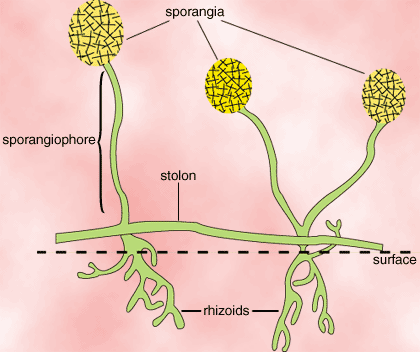
Fungi: Zygomycota: The Conjugation Fungi | SparkNotes
Structure of yeast. Yeasts are single-cell fungi that grow by the process called budding. Apart from that, these organisms lack hyphae. The common examples of yeasts are Saccharomyces cerevisiae, Cryptococcus spp., Sporobolomyces roseus, etc. Apart from these, there are several fungi that can be present in both the hypha and unicellular form. These are called dimorphic fungi; an example of ...

LIKE BACTERIA, FUNGI CAN BE EXTREMELY HELPFUL AND EXTREMELY ...
5. Bracket Fungi (Shelf Fungi): The basidiocarps or fructifications appear on tree trunks, logs, lumber, etc. just as brackets or shelves, e.g. Fomes applanatus (perennial), Polyporus sulphureus (annual). 6. Puffballs: The basidiocarp is a stalked rounded structure which on ripening sends out puffs of spores.

Fungal spores are future-proofed | Nature Microbiology
PeerJ Fungi found in Mediterranean and North Sea sponges: how specific are they? Research article Marine... Author and article information Abstract Fungi and other eukaryotes represent one of the last frontiers of... For most sponges, fungi were present at a low relative abundance averaging 0.75% of the 18S rRNA gene reads. In... Coral-associated marine fungi... of fungi associated with Haliclona... Endolithic fungi in reef-building...
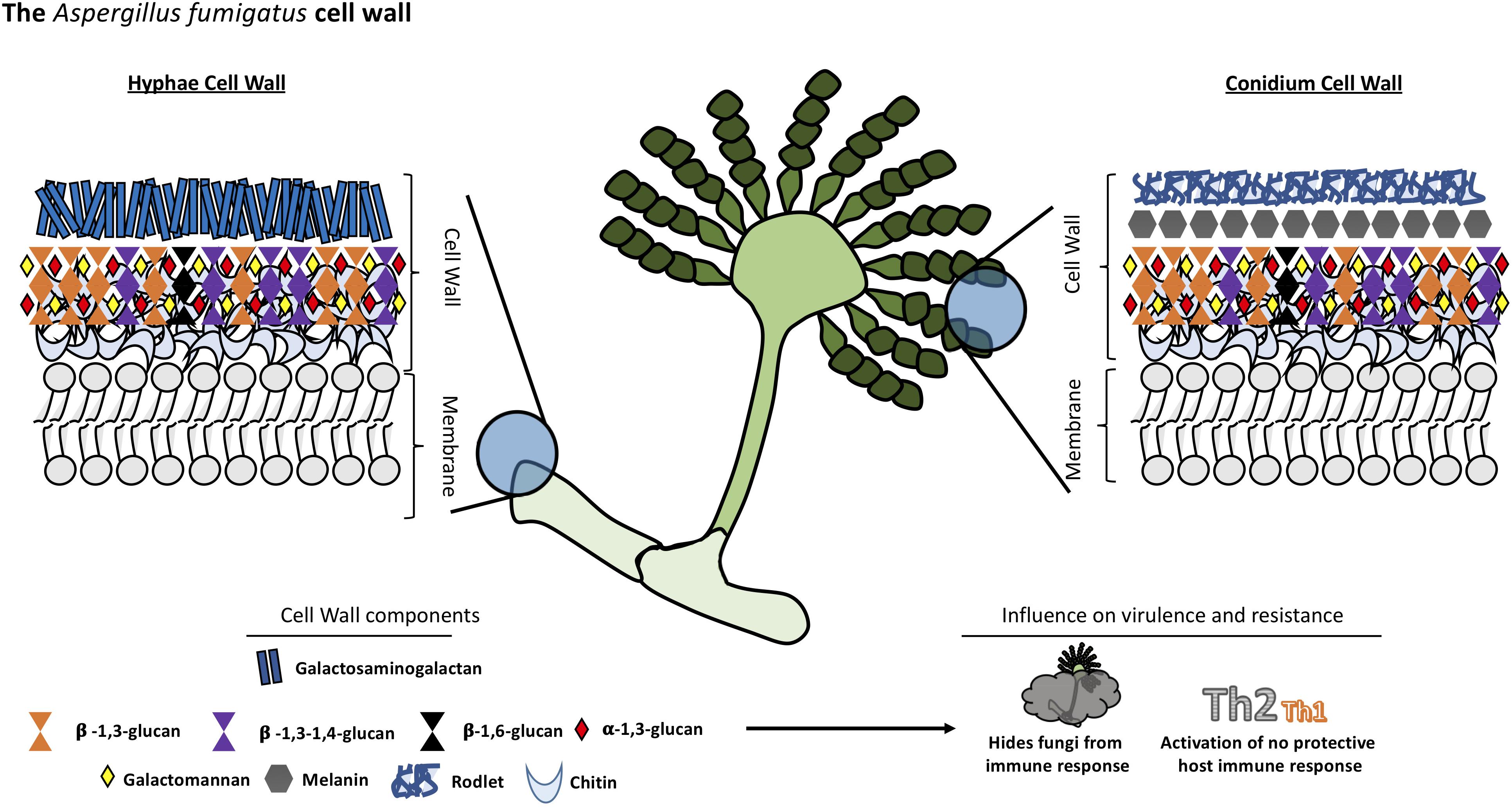
Frontiers | The Fungal Cell Wall: Candida, Cryptococcus, and ...
round, warty fungi that are irregular in shape, vary in size, expensive foods, traditionally harvested by pigs and dogs (ascomycota) Yeast single-celled fungi, facultative anaerobe, produce the gas that makes bread rise, 160 known species, tiny, use its own enzymes to break down more complex sugars, pathogenic, usually kept in check on the skin ...

Fungi Kingdom - Biology Notes for IGCSE 2014
Start studying Fungi Cell Structure. Learn vocabulary, terms, and more with flashcards, games, and other study tools.

Fungi Structure ( Read ) | Biology | CK-12 Foundation
Fungi Structure. The body of fungi is very simple known as mycelium. It consists of many thread-like or fiber-like structures known as Hyphae. Inside the mycelium cytoplasm, nuclei and oil globules are present globules store food material. Mycelium is of three types: Septate mycelium (Hyphae) septa — cross wall.

Fungi (Importance, Classification and More) - Solution Pharmacy
Browse 80 fungal cell diagram stock illustrations and vector graphics available royalty-free, or start a new search to explore more great stock images and vector art. Newest results. Cross section of a yeast cell. Structure of fungus cell. Cross section of a yeast cell.
Structure of fungi and it's importance
In this article we will discuss about the structure of fungal cell. This will also help you to draw the structure and diagram of the fungal cell. (a) The Cell Wall of the Fungal Cell: The composition of cell wall is variable among the different groups of fungi or between the different species of the same group.
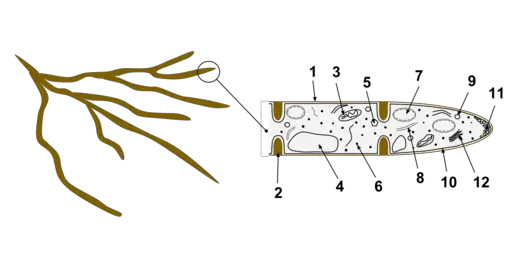
Hyphae - Production, Structure, Morphology, Types
Rhizopus Structure with Diagram. They are fast-growing fungi and have a cottony appearance; The body of rhizopus consists of branched mycelium. The mycelium is coenocytic and composed of three types of hyphae; stolon, rhizoids and sporangiophores; Stolon is the internodal region, it is aerial, forms an arch and touches the substratum forming nodal region ...

Structure Physiology Fungi Anatomy Mold Diagram Stock Vector ...
Some fungi are pathogens, for example the fungal infection which causes athlete's foot. Fungal structure A multicellular fungus showing rounded spore cases and spores and thread-like hyphae

Fungal Cell Wall - an overview | ScienceDirect Topics
are fungi. And you have eaten bread, made with yeast, another fungus. Old bread may grow mold, still another fungus. Athlete's foot and a variety of other infections are caused by fungi, but, on the good side, a fungus also produces the medicine penicillin. About 100,000 different species of fungi exist. When you see a light...

What is the structure and synthesis of a fungal cell wall ...
Structure of Fungi. Except for yeasts, which grow as single cells, most fungi grow as thread-like filaments, like those shown in Figure below. The filaments are called hyphae (singular, hypha). Each hypha consists of one or more cells surrounded by a tubular cell wall. A mass of hyphae make up the body of a fungus, which is called a mycelium ...

Structure Physiology Fungi Anatomy Mold Diagram Stock Vector ...
Structure and Physiology of Fungi For example, fungi include the microscopic yeasts, the molds seen on contaminated bread, and the common mushrooms. Molds consist of long, branching filaments of cells called hyphae (singular, hypha ).

Structure of Rhizopus spp. | Bread mold, Medical laboratory ...
This is a thumbnail of the Label the Mushroom Anatomy Diagram. The full-size printout is available only to site members.- The top part of the mushroom. - A cup-shaped structure at the base of the mushroom. The basal cup is the remnant of the button (the rounded, undeveloped mushroom before the fruiting body appears). Not all...

Fungi: Distribution, Morphology, Reproduction, Classification ...
Mycelium Structure, Reproduction, Differences with Hyphae ... * While parts of the fungi, such as the visible mushroom, tend to grow and die on soil surface, mycelium remains beneath the soil in all conditions. During favorable conditions, it gives rise to the different forms of fungi that can grow on the surface of the soil while providing it ...

Fungi - Structure and growth
Structure of Aspergillus. Aspergillus has a filamentous structure. It consists of the following components in its cell structure that include: Foot cell: It is the vegetative structure of the cell called the vegetative hyphae. It is found attached to the substratum, through which the hypha absorbs the nutrient for its further growth.

Chitin - Definition, Function, Structure and Examples ...
The science dealing with the study of fungi is called "Mycology".A thallus refers to the fungal cell body, which can be either unicellular (yeasts) or multicellular (moulds).. Some fungi show dimorphism between the two states by following both yeast and mould cell cycle and called "Dimorphic fungi". In this context, we will discuss the structure of fungi by looking into the diagram and ...
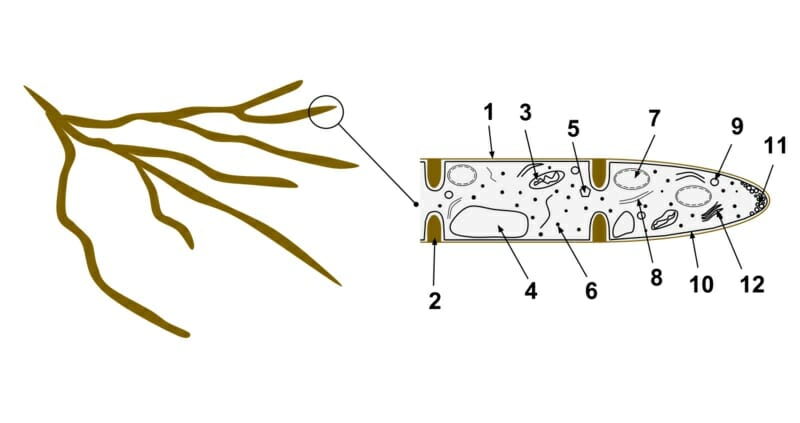
Hyphae - Definition, Function and Structure | Biology Dictionary
Biology of Fungi Lecture 3: Fungal Structure and Function Page 2 of 5 Fungal Cell Wall u Functions Q Structural barrier Q Determines pattern of cell growth and is partly dependent upon: l Chemical composition l Assembly of the wall components Q Environmental interface of the fungus l Protects against osmotic lysis l Acts as a molecular sieve l Contains pigments for protection
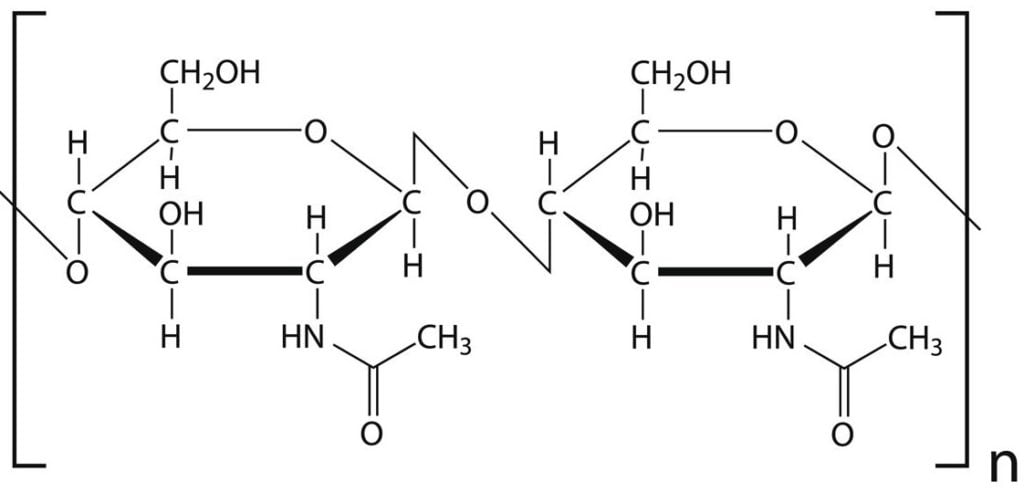
Characteristics of Fungi - Microbe Notes
using fungi to build self-supporting structures. Hebel, who leads the Sustainable Construction unit at Karlsruhe Institute of Technology, and Block, who founded the Block Research Group at ETH Zürich, have created a tree-shaped structure consisting almost entirely of mycelium. According to the duo, the material – which is... Tree-shaped structure shows how mushroom roots could... More images and plans Design diagram one Design...
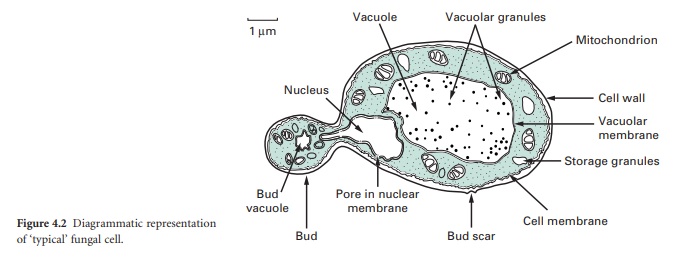
Structure of the Fungal Cell - Microbiology
The molecular composition of the cell wall is critical for the biology and ecology of each fungal species. Fungal walls are composed of matrix components that are embedded and linked to scaffolds of fibrous load-bearing polysaccharides. Most of the major cell wall components of fungal pathogens are …

Typical Fungi Cell Fungal Hyphae Structure Stock Vector ...
“Neutrinos are a tool to ‘see’ inside stars, and a space-based detector could offer a new window into the structure of our Sun and even our galaxy,” Jason... from fungi. Definitely out there, but it’s so weird we just have to see this work. Finally, Peter Gural with Trans Astronautica Corporation in California will...
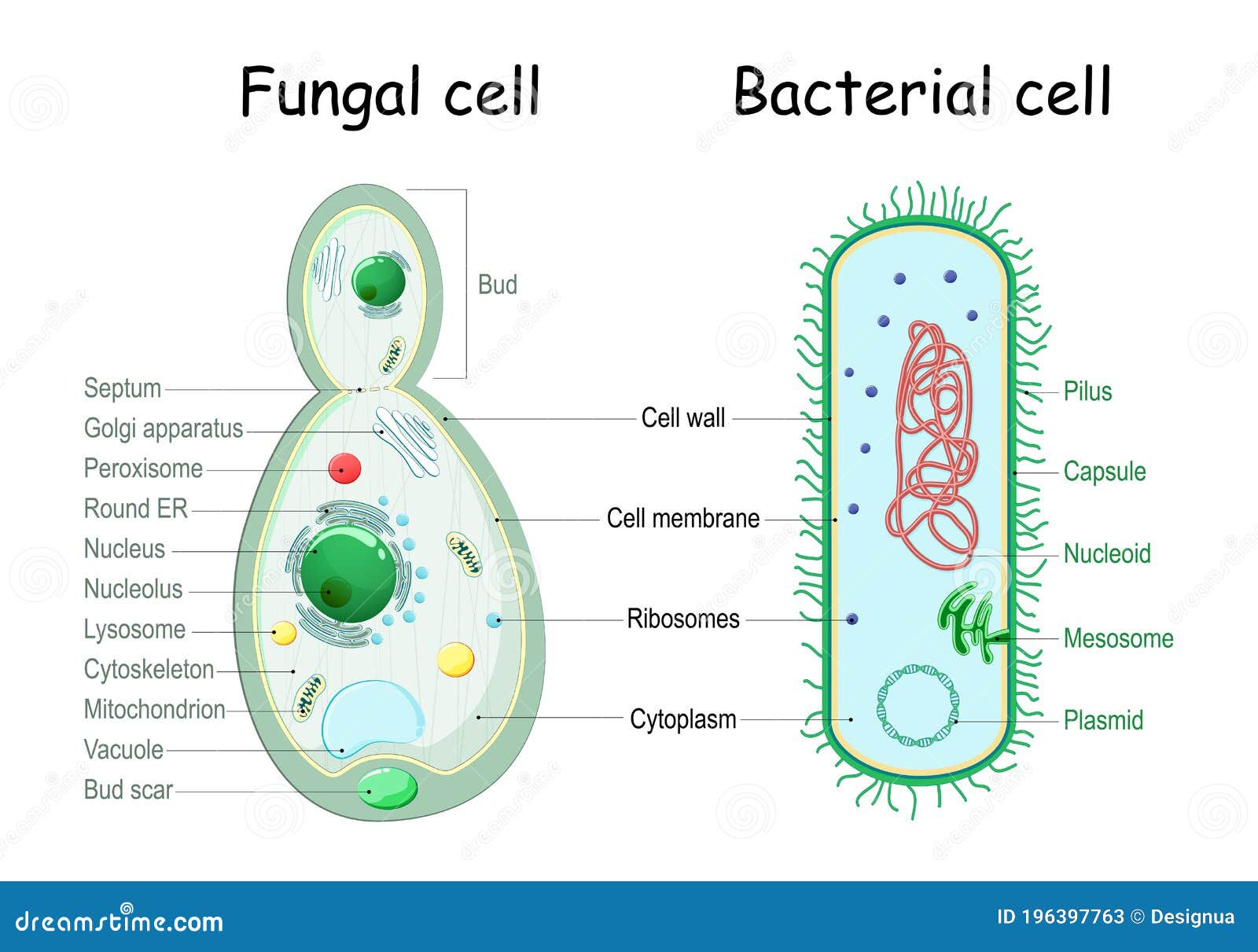
Fungal Cell Structure Stock Illustrations – 152 Fungal Cell ...
CHAPTER 14: Fungi structure and reproduction . Introduction. Section "A" The fungi are a group of eukaryotic, non-vascular organism. Which are of diverse forms, sizes, physiology and reproduces both by sexual (meiotic) and asexual (mitotic) spores.Examples of fungi :-Mushrooms, yeasts, molds, Penicillium-the first of the wonder drugs, penicillin, was isolated from this fungus and crop parasites.

Plant cell and fungal (yeast) cell structure. cross section ...
Fungi as basic fungal cell and multicellular fungus structure outline diagram. Biological microscopic organism inner parts vs fruiting body or mushroom with. Cross section of a yeast cell. Structure of fungal cell. Vector diagram for educational, biological, and science use.

Fungi | Microbiology
Macroscopic fungi such as morels, mushrooms, puffballs, and the cultivated agarics available in grocery stores represent only a small fraction of the diversity in the kingdom Fungi. The molds, for example, are a large group of microscopic fungi that include many of the economically important plant parasites, allergenic species, and opportunistic pathogens of humans and other animals.
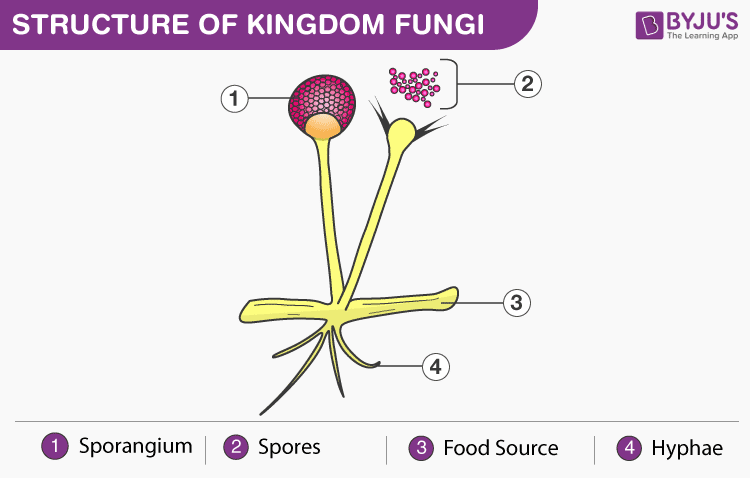
Kingdom Fungi- Structure, Characteristics & Classification Of ...
mycorrhizal fungi are the main nitrogen providers under the nitrogen-limited conditions in arctic tundra. Compared to the low plant diversity in arctic and alpine communities, the richness and heterogeneity of root-associated fungal communities is high []. Many factors and complex interactions influence the structure and...
Definition of Basic Structure Of Fungi | Chegg.com
special structure in the beetle's mouthparts, and feed on the living tissue (phloem) of the tree. After the beetle introduces the fungi to the tree, mycelia grow rapidly into the sapwood, slowing the movement of fluids... Diagram of a tree wedge showing the dead outer bark, the live inner bark (or phloem), the live wood (or...

Difference Between Bacteria and Fungi (with Comparison Chart ...
Morphology of fungi

Fungal cell structure and organization - Oxford Medicine

✓ fungus spores free vector eps, cdr, ai, svg vector ...

Fungi Lab - Structure Diagram | Quizlet

Animal Cell Fungal ( Vector & Photo (Free Trial) | Bigstock
Bacteria vs Fungi- Definition, 21 Major Differences, Examples

Fungal Cell Structure Stock Illustrations – 152 Fungal Cell ...

Biological illustration of fungal cell, Typical fungus cell ...

Shutterstock - PuzzlePix
Advanced Materials From Fungal Mycelium: Fabrication and ...
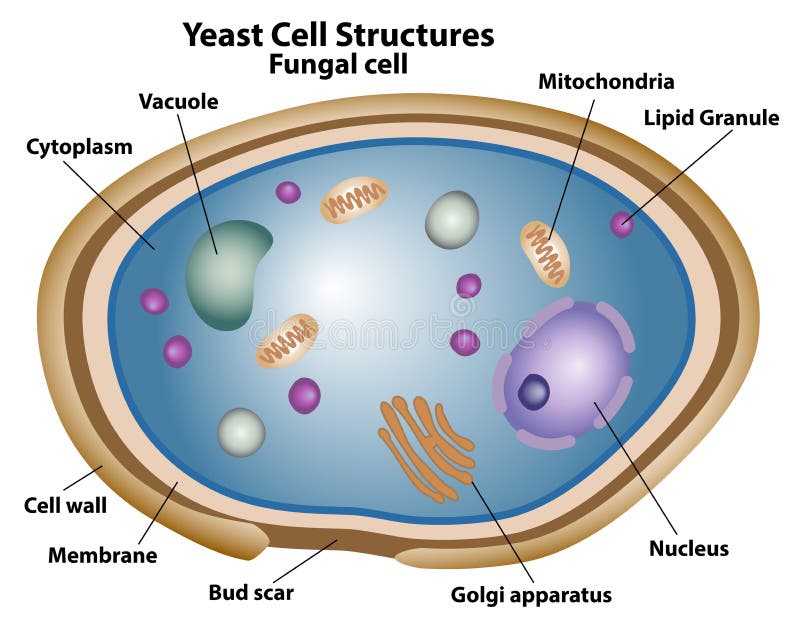
Fungal Cell Structure Stock Illustrations – 152 Fungal Cell ...
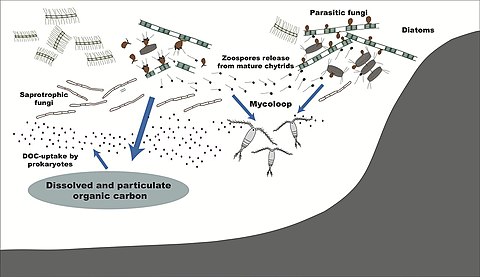
Marine fungi - Wikipedia
Fungus - Wikipedia

Fungi - Characteristics and Structure | Definition, Examples ...


Comments
Post a Comment